Driving UX Strategy
at Novo Nordisk
Overview
In August 2024, I joined Novo Nordisk as the second designer on a growing UX team. Our primary focus was a scientific workflow management tool tailored for Scientists and Lab Technicians working on early-stage research projects. The tool aimed to streamline complex lab processes and improve data traceability and collaboration.
Role
Senior UX/UI
Designer
UX Research
UX Strategy
UX Vision
Facilitation
Time
Jun - Sep
2025
4 Month project
The Challenge
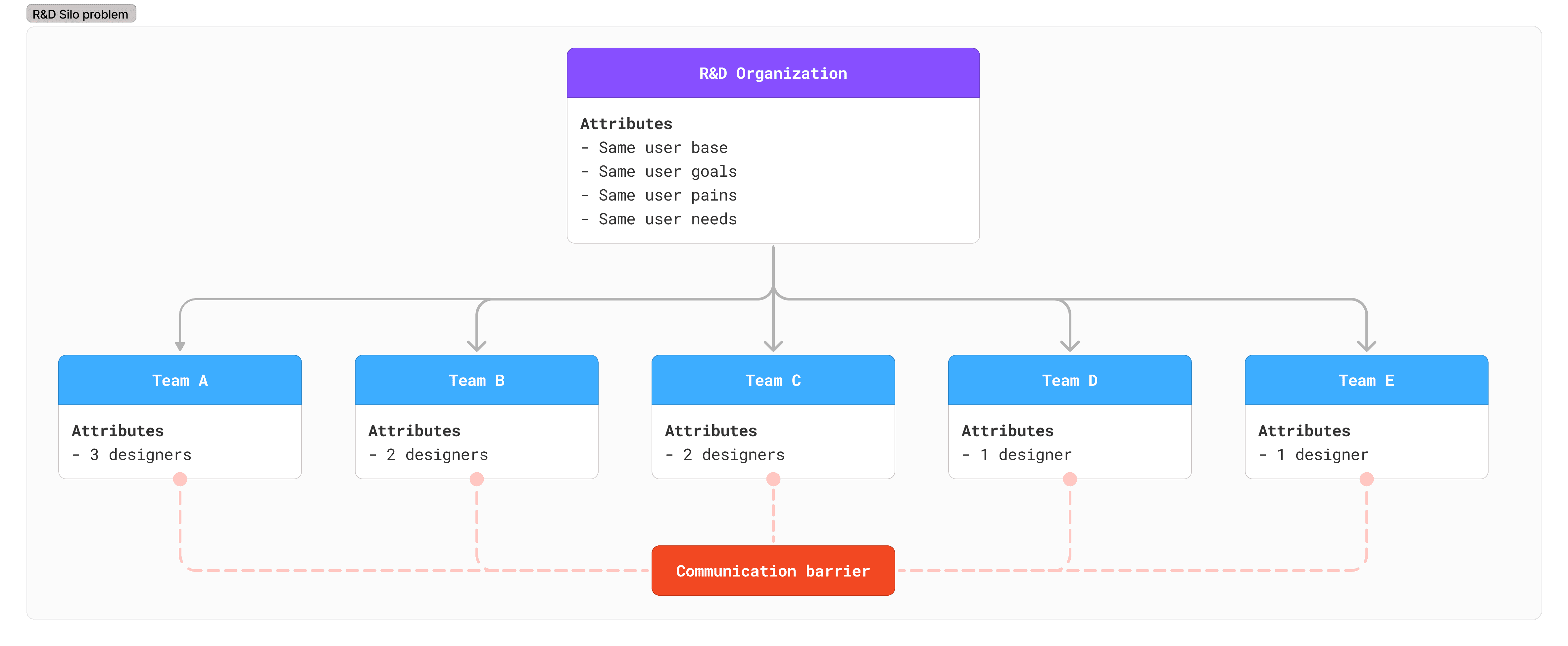
While contributing to new features and UX improvements, I began noticing a recurring pattern: many of the user needs, pain points, and goals we were addressing were shared across other products in the R&D area. However, there was minimal collaboration between the designers working on these products. Each team operated in silos, and there was no shared UX vision or strategy for our common users.
This fragmentation risked inconsistent experiences for users who interacted with multiple tools, and it limited our ability to learn from each other and scale UX best practices across the organization.
The Plan
Together with my manager, Helle (Head of UX), we drafted a plan for me to lead the development of a unified UX Vision for the R&D area. Our approach was grounded in collaboration, learning, and strategic planning:
Learning from Others
To build on existing knowledge, I interviewed designers from other departments who had recently completed similar UX vision initiatives. These conversations helped me understand their approaches, challenges, and what made their efforts successful.Inclusive by Design
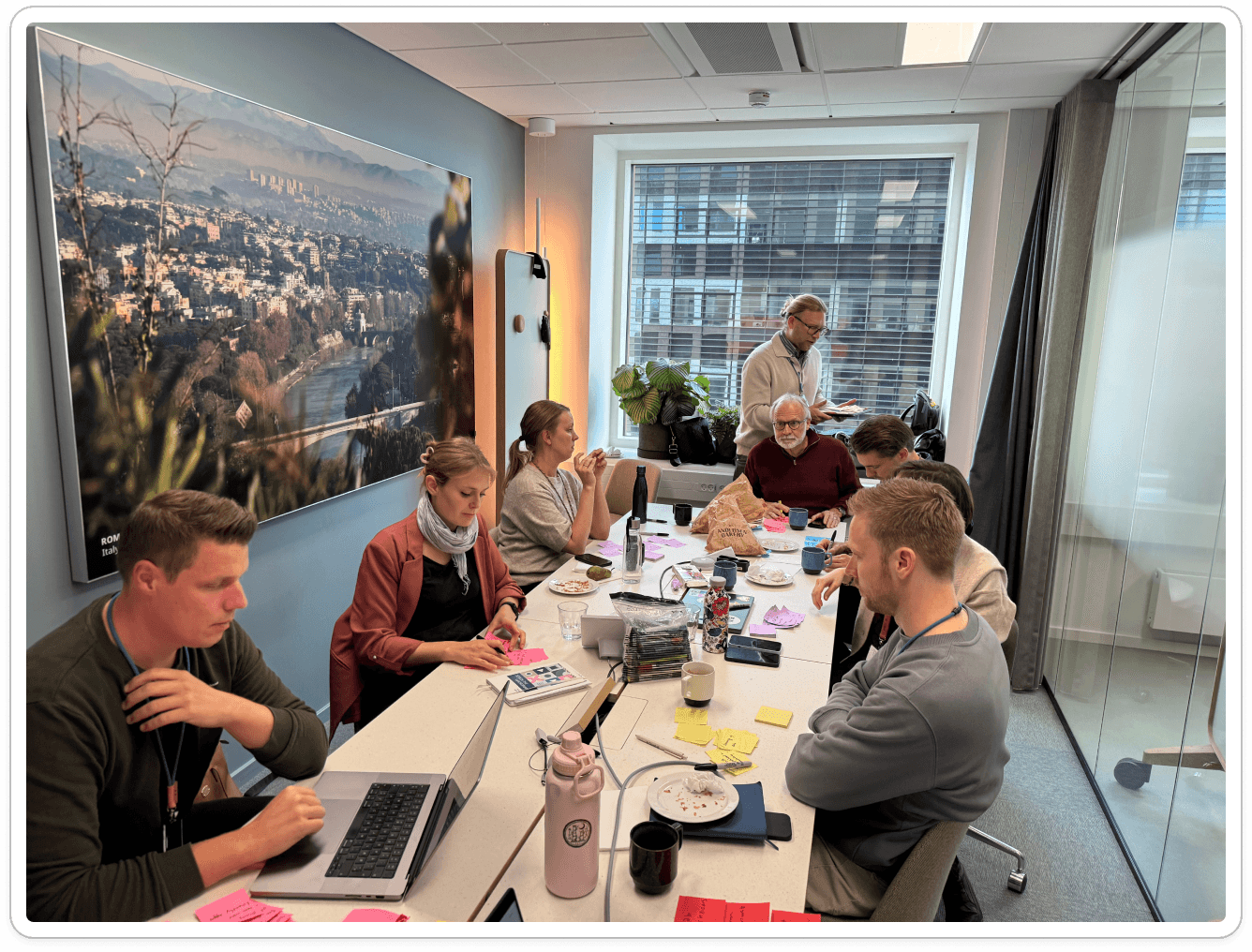
At the time, nine designers were working across various R&D products. It was essential to bring everyone into the process early to ensure a collective ownership of the vision.Kickstarting with a Workshop
I designed and facilitated a full-day workshop aimed at launching the vision work. The goal was to align on shared challenges, user needs, and design principles, and ideally, to co-create a first draft of the UX vision.Defining Next Steps
Following the workshop, I outlined a roadmap of key actions. This included collaboratively developing a plan to realize the vision and crafting a communication strategy to present it effectively to our teams and stakeholders.
Workshop: Kickstarting the R&D UX Vision
To ensure the UX Vision was truly collaborative and meaningful, I designed and facilitated a full-day workshop with all nine R&D designers. The workshop was structured to guide the team from understanding our current state to co-creating an aspirational vision for the future.
Workshop Agenda & Flow
Setting the Stage
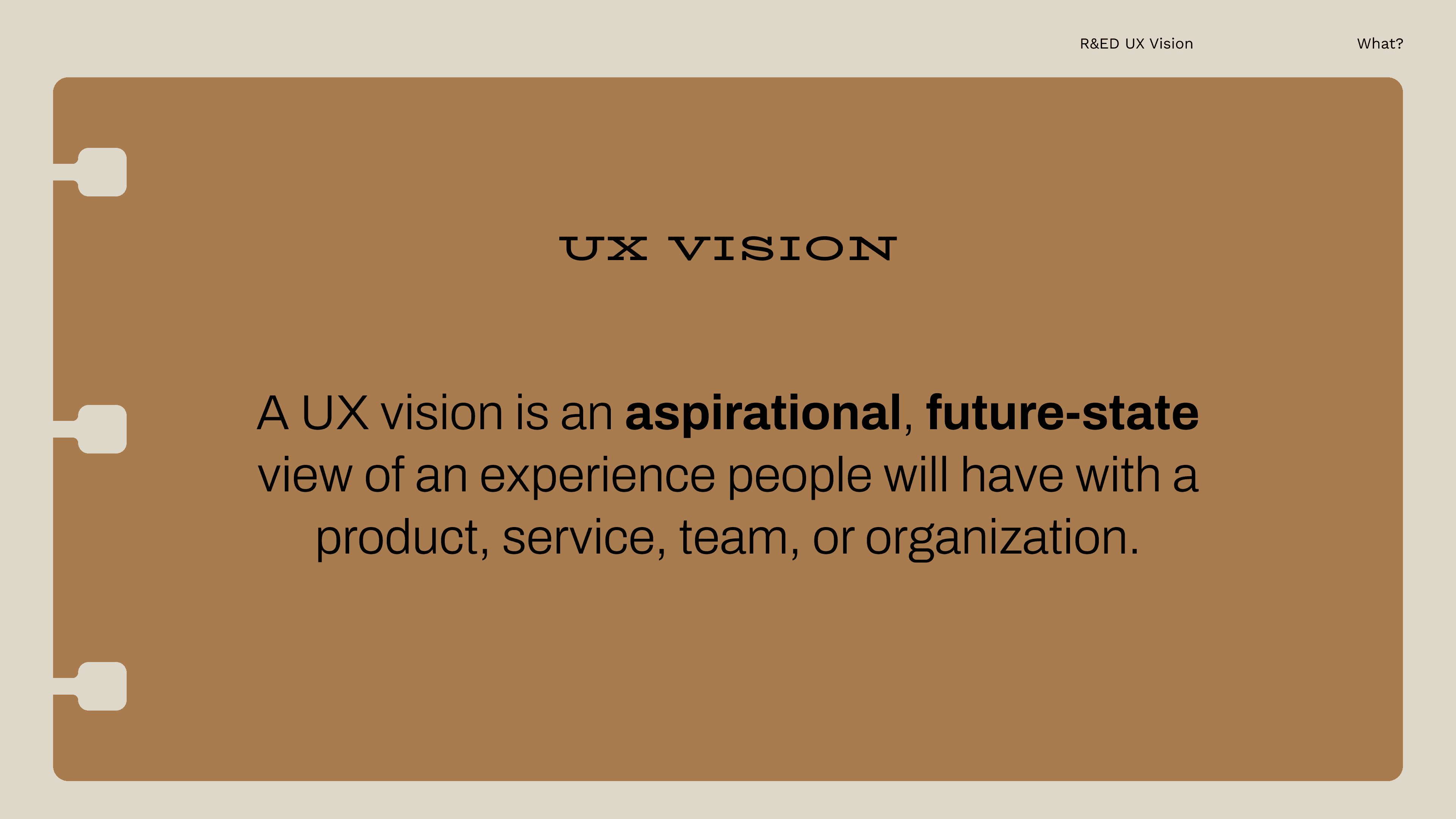
We began by clarifying what a UX Vision is and why it matters, distinguishing it from mission statements and aligning on the value it brings: shared direction, strategic guidance, user centricity, and inspiration for innovation.
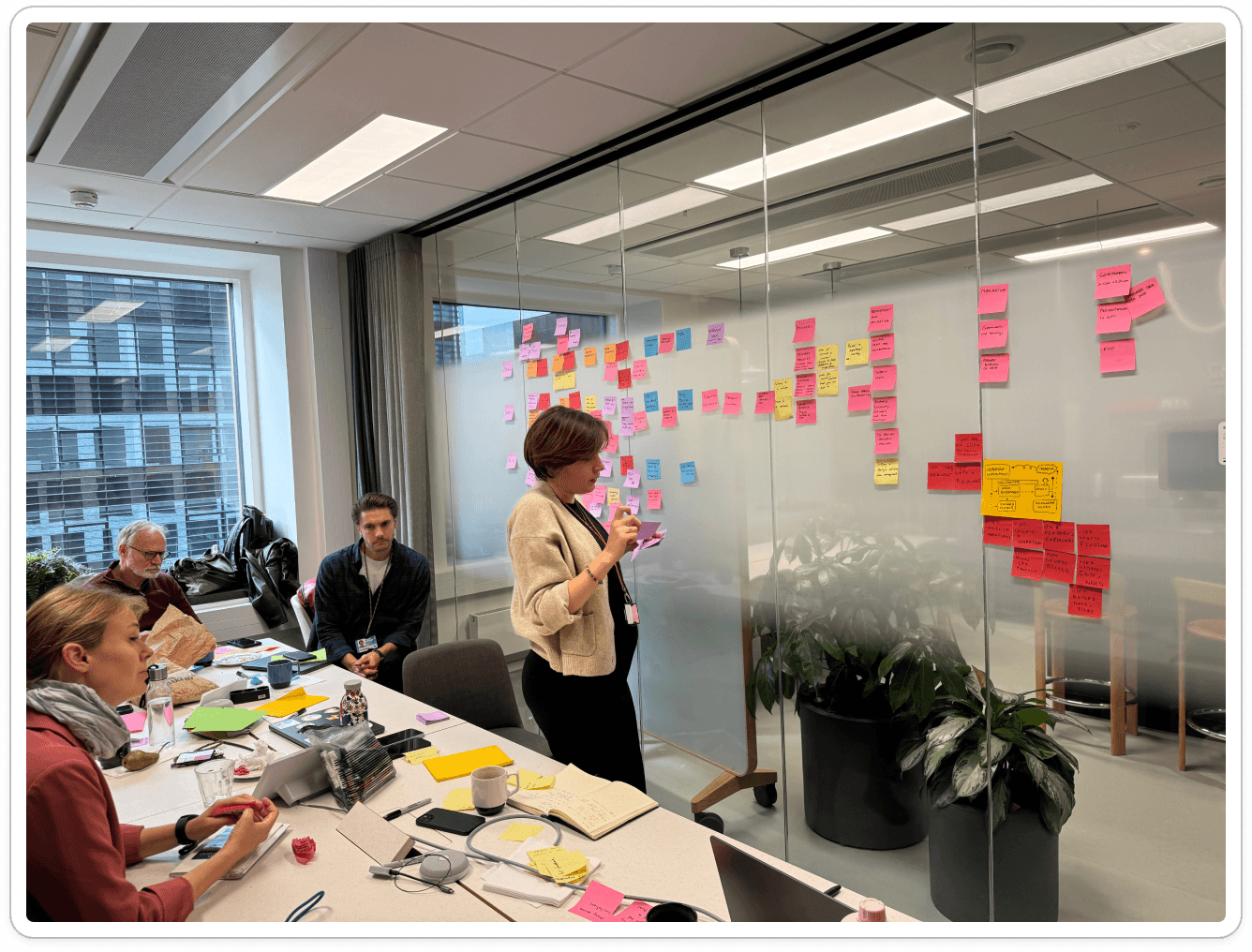
Mapping the Present
Each designer shared insights about their users: Who are they? What are their goals and pain points?
We discussed overlaps and differences, mapping out user journeys to identify shared challenges and opportunities.
Activities included individual reflection, sharing via post-its, and group discussions to cluster and synthesize findings.
Envisioning the Future
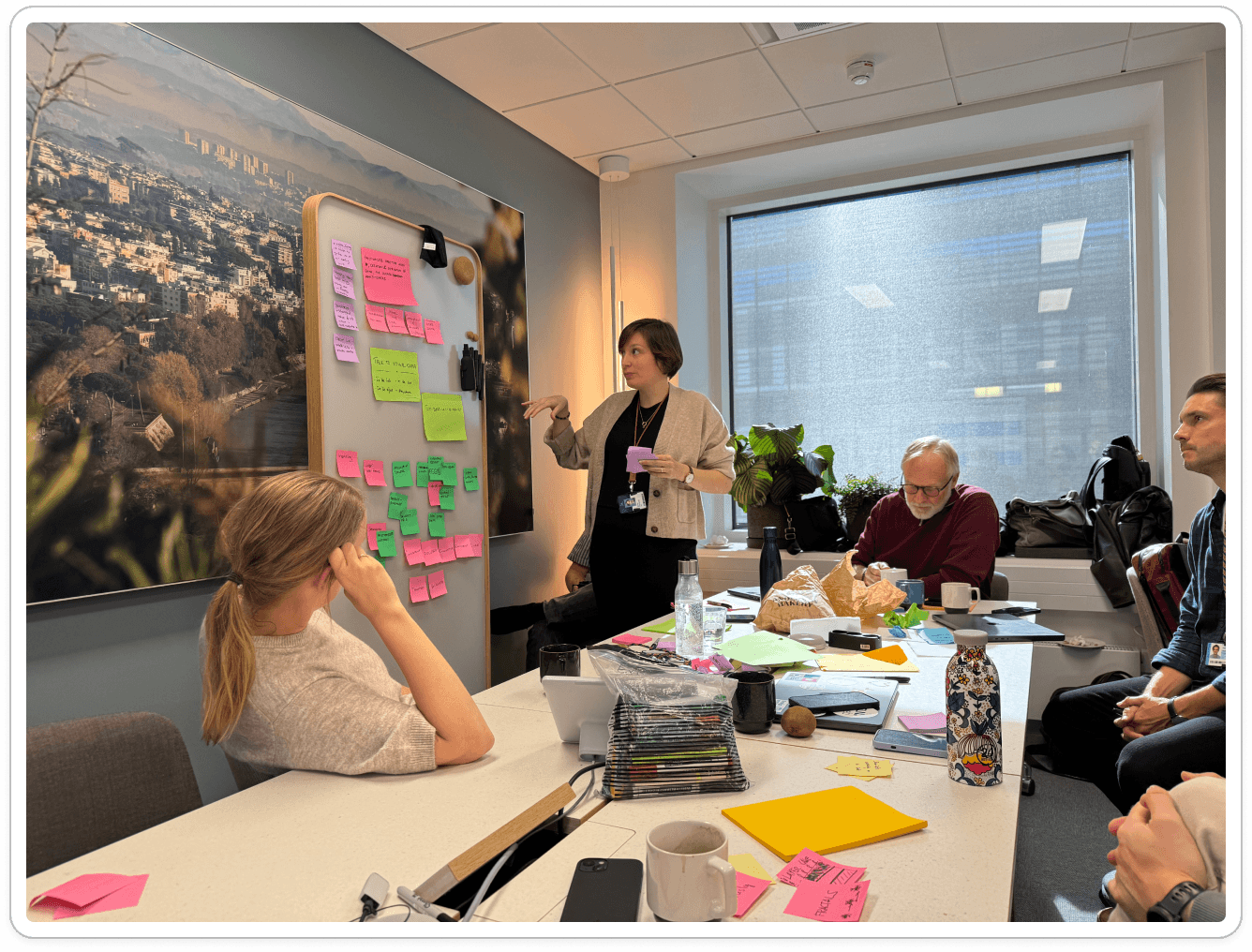
We explored inspirational vision statements from other teams and companies to spark creativity.
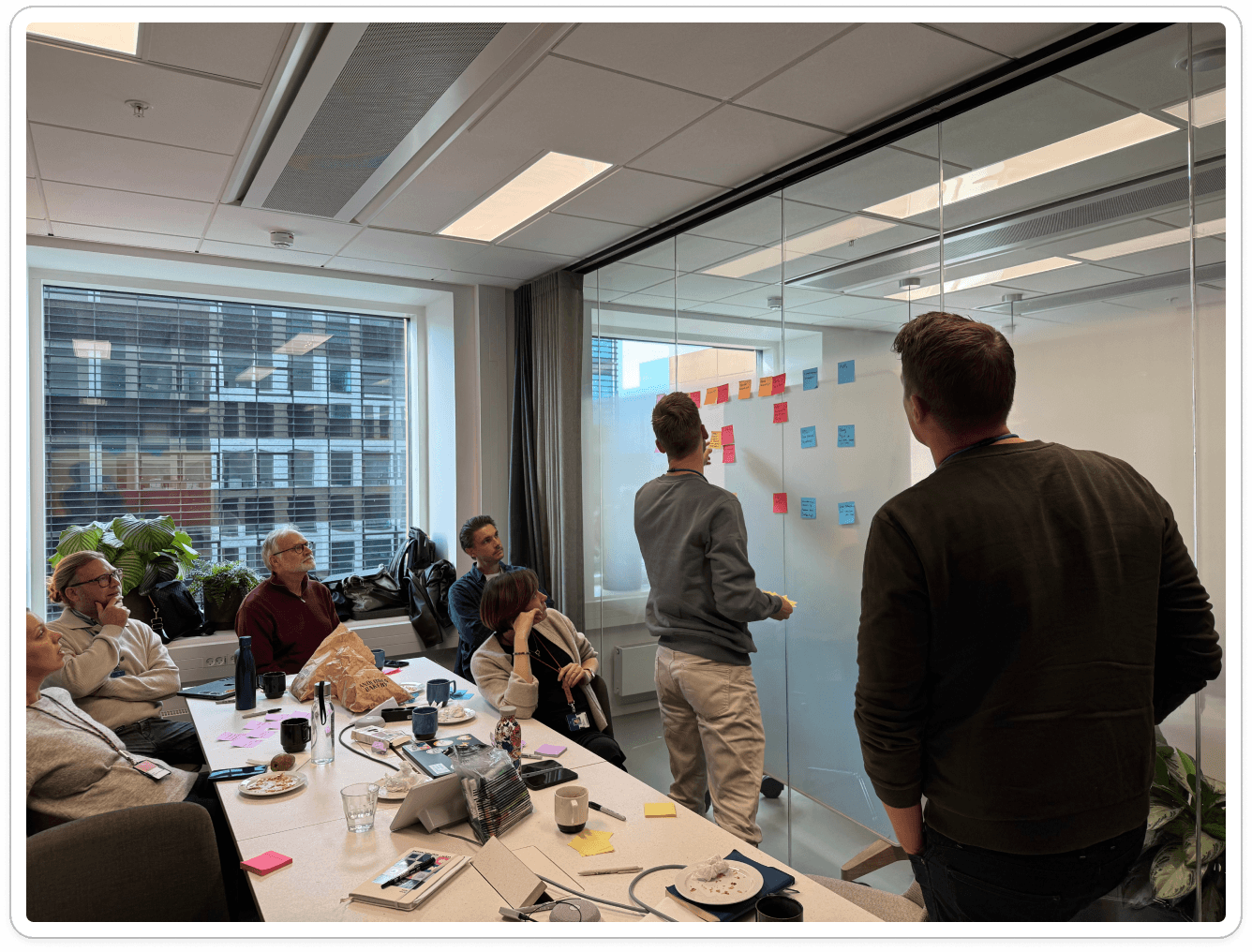
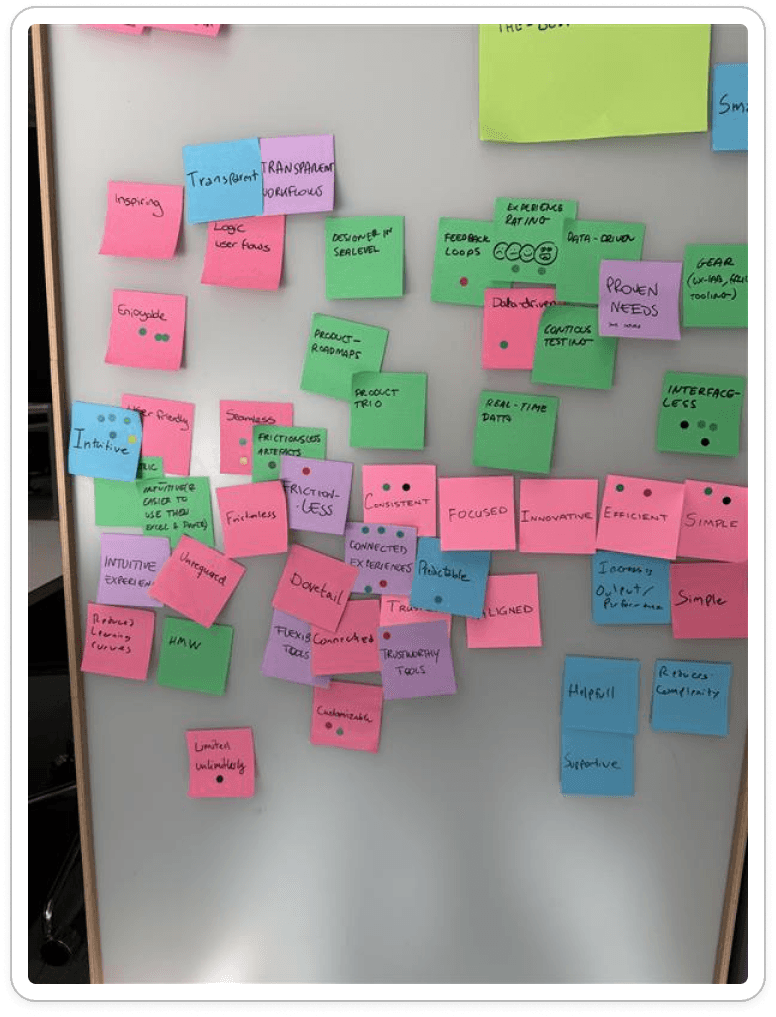
Designers imagined the ideal digital experience for R&D five years from now, describing its attributes and grouping recurring themes.
Through dot voting, we selected the most resonant attributes and, in pairs, crafted draft vision statements.
Crafting the Vision
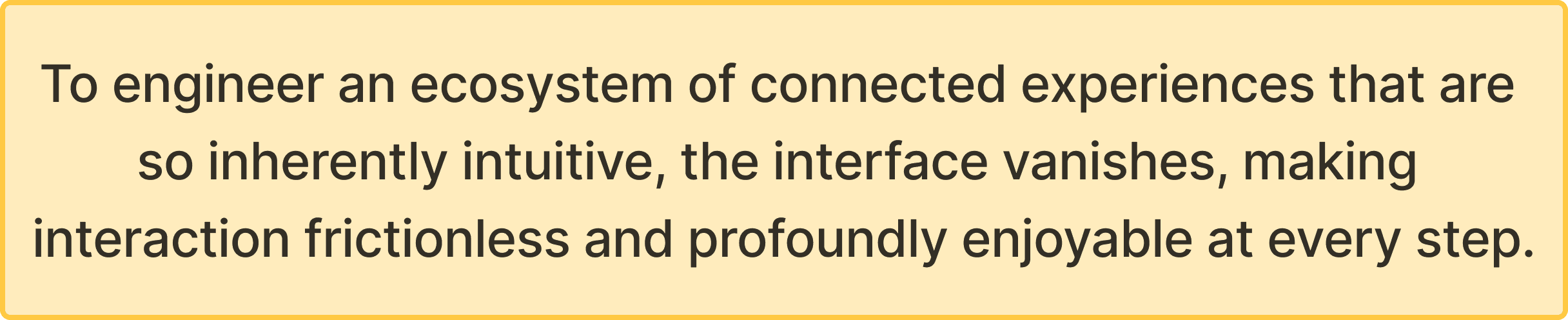
The group presented and discussed draft statements, ultimately working toward consensus on a unified UX Vision for R&D.
Next Steps
We concluded by outlining actions needed to realize the vision, including collaborative planning and a communication strategy for broader alignment.
Outcomes & Impact
The workshop marked a turning point in our journey toward a unified UX Vision for R&D. Here’s what we achieved:
Shared Understanding and Alignment
Designers across R&D gained a deeper appreciation of each other’s users, challenges, and goals.
We found overlapping user journeys and pain points, building empathy and a sense of shared purpose.
Drafted a Collective UX Vision
By the end of the workshop, we had collaboratively crafted a strong candidate for our vision statement, reflecting our collective aspirations for the R&D user experience.
The group reached consensus on the core attributes that should define our future UX.
Established a Foundation for Collaboration
The workshop fostered a spirit of openness and collaboration, breaking down silos between product teams.
We set up regular syncs and a shared space for ongoing vision refinement and alignment.
Defined Next Steps
We outlined a clear action plan: refining the vision statement, developing a roadmap for implementation, and creating a communication strategy to engage stakeholders and teams across R&D.
Momentum for Change
The energy and engagement from the workshop carried forward, with designers actively participating in follow-up sessions and championing the vision within their teams.
Reflection & Learnings
Leading the development of a unified UX Vision for R&D at Novo Nordisk was both challenging and rewarding. Here are my key takeaways from the process:
The Power of Collaboration
Bringing together designers from different teams unlocked new perspectives and fostered a sense of shared ownership. I learned that investing time in building trust and alignment early on pays off throughout the process.Facilitation Matters
Designing and facilitating the workshop was a pivotal moment. I was surprised at how creating a safe space for open discussion and co-creation enabled everyone to contribute meaningfully. I refined my facilitation skills and saw firsthand how structured activities can drive alignment and creativity.Learning from Others Accelerates Progress
Interviewing peers who had led similar vision processes helped me avoid common pitfalls and adopt best practices. Reaching out beyond my immediate team was invaluable.Vision is Only the Beginning
Crafting a vision statement is a crucial milestone, but the real work lies in embedding it into daily practice. I learned the importance of follow-through: defining actionable next steps, maintaining momentum, and communicating the vision clearly to all stakeholders.Embracing Iteration
The process reinforced that a vision is not static. It should evolve as teams learn more about their users and as organizational goals shift. I’m committed to revisiting and refining our vision as we move forward.